
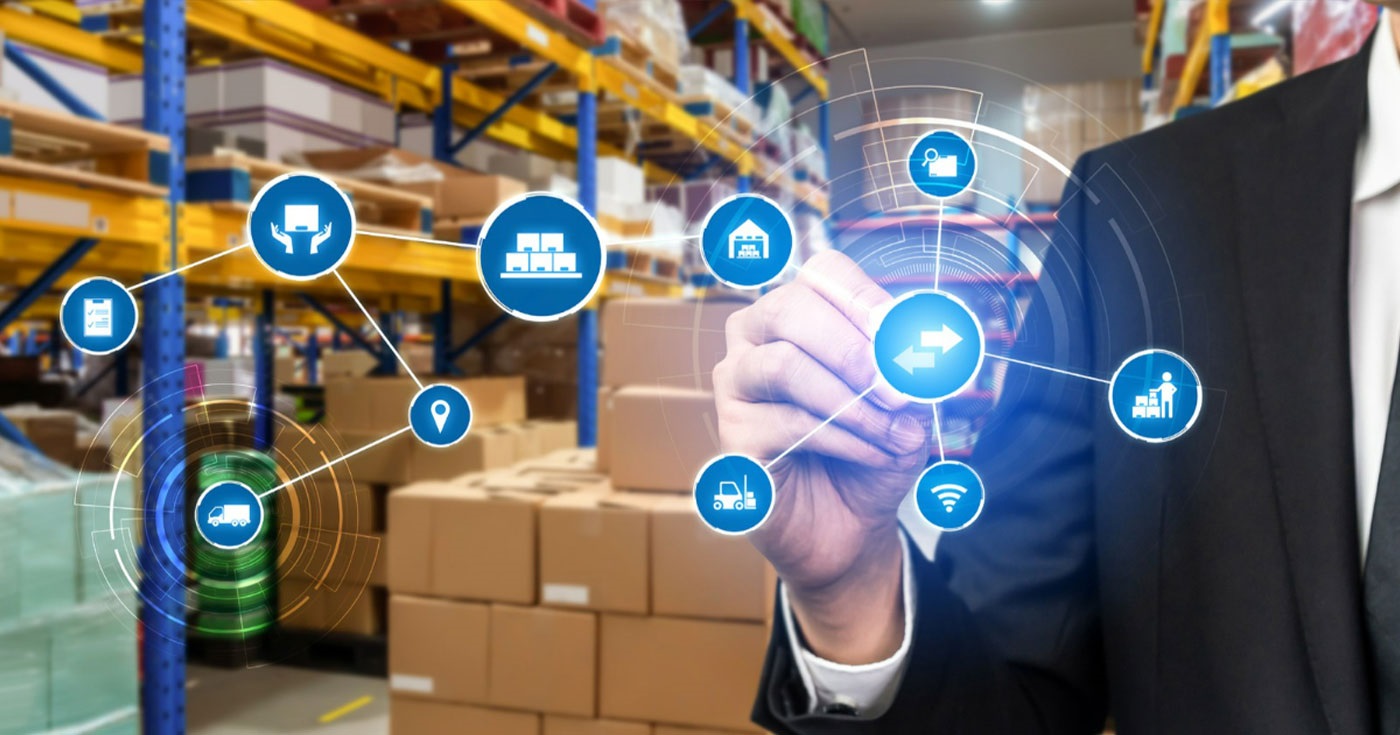
We understand that logistics is not a one-size-fits-all service. As India’s leading 3PL and fulfillment service provider, we offer flexible PTL and FTL freight solutions to meet diverse shipping needs. From warehousing and storage to last-mile delivery,
Losung360 ensures end-to-end supply chain management with real-time visibility, competitive pricing, and nationwide coverage. Our mission is simple: to help businesses
What is PTL (Partial Truckload)?
Partial Truckload, or PTL, is a way to ship goods that don’t fill an entire truck. Several shippers can use the same truck, each paying for the space they use. It’s a middle ground between smaller LTL shipments and larger FTL shipments in size, price, and how well it works. In PTL, the carrier transports shipments from a few shippers together, without going through the extensive consolidation and terminal-based handling seen in LTL shipping. This makes PTL faster than LTL while still being more cost-effective than booking a full truck.
Key Characteristics of PTL
1. Shipment Size
- Typically between 5,000 to 38,000 pounds.
- Takes up 6–18 pallet spaces on a truck.
- Too large for LTL, but too small to justify paying for an entire FTL.
2. Direct Routes
- PTL shipments often travel directly from the pickup location to the delivery point without multiple terminal stops.
- This reduces handling, damage risk, and transit time.
3. Shared Truck Space
- Two or more shippers share the truck, but the freight isn’t handled as often as LTL freight.
4. Pricing Structure
- Rates are determined by space and weight used, rather than the full truck capacity.
- This provides cost savings for medium-sized loads.
Advantages of PTL
1. Cost Efficiency for Medium-Sized Shipments
Partial truckload shipping offers a middle ground for prices compared to less-than-truckload and full truckload options. If your load is bigger than what’s usually shipped as LTL (around 6 to 8 pallets) but not big enough to fill a whole truck, PTL helps you save money. You only pay for the space your shipment occupies, instead of the cost of the entire truck.
2. Reduced Handling Risk
PTL shipments are handled fewer times than LTL shipments. Usually, the goods are loaded once at the start and unloaded once at the end, with little transferring in between. This lowers the risk of damage, getting lost, or late deliveries from too much handling at different centers.
3. Faster Transit Times than LTL
PTL shipments usually arrive quicker than LTL because they travel straight to their destination or stop only a few times. This is a good option when you need fast delivery but don’t want to pay for a whole truckload.
4. Flexibility for Shipment Sizes
PTL is useful for shipments that are not quite big enough for a full truckload (FTL) but are too big for less than a truckload (LTL). It works well for businesses that sometimes have bigger or smaller loads and can’t always know how much they will be shipping.
5. Better for Bulky but Lightweight Freight
If you’re shipping large but lightweight items, such as furniture, PTL allows you to pay for the space your items occupy instead of their weight. This can be cheaper than LTL, which often charges based on weight ranges.
6. Lower Storage Requirements at Destination
Since PTL usually has quicker turnaround times and less need for temporary storage, companies can more easily handle JIT inventory and reduce extra storage expenses.
Disadvantages of PTL
1. Limited Availability of Carriers
PTL is not a service that every shipping company provides. Since many focus on either LTL or FTL shipments, it can be hard to locate a PTL carrier that has the routes you need.
2. Variable Rates and Space Constraints
PTL prices can change more than LTL or FTL prices because of things like how much room is free on trucks, the time of year, and how much shipping is happening in certain areas. When things are busy, it can be tougher to find room for a smaller shipment, which can make it cost more.
3. Potential for Delays if Shared with Other Freight
PTL may have fewer stops than LTL, but it isn’t always a fast, non-stop option. If your goods are shipped together with another customer’s items headed in the same general way, your shipment might be delayed if the other items need to be delivered along the way.
4. Less Control over Exact Scheduling
Unlike full truckload shipping, where you have the whole truck to yourself, partial truckload might need to work around other customers’ timetables. Because of this, it may be harder to set exact pickup and drop-off times, as these can rely on the other deliveries being transported.
5. Limited Tracking in Some Cases
Big delivery companies usually offer package tracking for partial truckload shipments. However, smaller or local companies might not have tracking systems that are as good as those used for less-than-truckload. This can make it hard to see exactly where things are when shipping goods that need to arrive quickly.
6. Risk of Compatibility Issues with Co-Loaded Goods
When your items are transported in the same truck as someone else’s, problems can arise if things don’t mix well. For example, products needing a certain temperature might be shipped with regular goods, or delicate items could be placed next to heavy ones if the delivery company doesn’t separate them correctly.
Challenges of PTL Shipping
Limited Availability
Not all carriers offer PTL services; they may require specialized arrangements.
Scheduling Complexity
Needs coordination with other shippers’ schedules to share the truck efficiently.
Less Frequent Departures
May have fewer shipping schedule options than LTL or FTL.
PTL in Modern Logistics
With the rise of e-commerce, retail supply chains, and inventory management systems, PTL is becoming more popular. It bridges the gap between small-scale and large-scale freight needs, helping companies control costs while maintaining delivery efficiency. Many third-party logistics (3PL) providers and freight brokers now integrate PTL into their service mix, giving businesses more flexibility in how they ship goods.
What is FTL (Full Truckload)?
Full Truckload (FTL) shipping means one shipment fills the whole truck. With this type of shipping, one company’s goods take up the entire trailer. The truck then goes straight from where it’s picked up to where it’s being delivered, without adding goods from other companies. FTL is often used to ship a lot of goods, heavy items, or things that need to be delivered quickly.
Key Features of FTL
- Exclusive Use of the Truck
The whole truck is dedicated to a single delivery, so no other customers’ items are put on board. This provides a dedicated service and lowers the chance of damage from extra handling. - Direct Point-to-Point Delivery
Because full truckload shipments don’t make stops to pick up or drop off other goods, they usually arrive faster than less-than-truckload shipments. - Capacity
FTL trailers typically have a capacity of 26 to 30 pallets or up to 40,000–45,000 pounds (18,000–20,000 kg), depending on regulations and truck type. - Best for Large Shipments
Businesses typically opt for full truckload shipping if they have enough items to occupy the majority or entirety of a trailer. They also choose it if they desire quicker delivery and less handling, even if the truck isn’t full.
When to Choose FTL?
You should consider FTL shipping if:
- Your shipment is large enough to fill most of a truck.
- You have fragile or high-value goods that need exclusive handling.
- You require faster, direct transportation.
- The shipment is time-sensitive and cannot afford delays.
- You want to minimize the risk of damage from multiple handling points.
Advantages of FTL
- Faster Transit Times
Full truckload shipments travel straight from where they start to where they end, unlike less-than-truckload shipments that have many stops and changes. - Reduced Risk of Damage
Because the load doesn’t mix with other goods, it is loaded at the start and unloaded at the end, reducing the risk of damage. - Better for High-Volume Shipments
It’s often more cost-effective to book a full truck than to pay for multiple LTL shipments. - More Security
Exclusive use of the truck minimizes theft and mishandling. - Custom Scheduling
Those sending goods can set up when items are picked up and dropped off to fit their business, instead of relying on a general timetable for moving cargo.
Disadvantages of FTL
- Higher Cost for Small Shipments
If you don’t have a full truckload, it might cost more to use a full truck than a less-than-truckload option. - Lower Flexibility for Partial Loads
Paying for unused truck space can be inefficient for smaller shipments. - Limited Routes in Some Regions
In certain rural or less-developed areas, finding an FTL service may be harder.
Types of FTL Trucks
- Dry Van Trailers – Enclosed trailers for general goods.
- Refrigerated Trailers (Reefers) – Temperature-controlled for perishable items.
- Flatbed Trailers – Open trailers for oversized or irregularly shaped cargo.
- Tanker Trucks – For transporting liquids or chemicals.
Key Differences Between PTL and FTL
| Aspect | PTL (Partial Truckload) | FTL (Full Truckload) |
| Capacity Usage | You share space with other shipments | You use the entire truck |
| Cost | Pay only for the space used | Pay for the entire truck |
| Speed | Slightly slower due to multiple stops | Faster, direct delivery |
| Flexibility | Ideal for mid-sized loads | Best for large shipments |
| Handling | More handling (multiple loadings/unloadings) | Less handling, safer for fragile goods |
| Suitability | E-commerce, retail replenishments, moderate loads | Heavy industries, bulk orders, time-sensitive deliveries |
How Does Losung360 Support PTL & FTL Shipping?
At losung360, we provide both PTL and FTL solutions tailored to your business needs:
- Nationwide network of warehouses for faster dispatch.
- AI-powered load planning to reduce costs.
- Real-time tracking for full transparency.
- Flexible pickup schedules to match your production cycles.
- Expert handling for fragile and high-value goods.
Conclusion
Choosing between PTL vs FTL depends on your shipment size, urgency, budget, and handling needs.
- PTL is perfect for cost-efficient, mid-sized shipments.
- FTL is ideal for fast, secure, large-scale deliveries.
At Losung360, we make this decision easier by offering customized solutions, expert support, and nationwide reach, ensuring your goods move smoothly from the manufacturing unit to customers’ doorsteps.